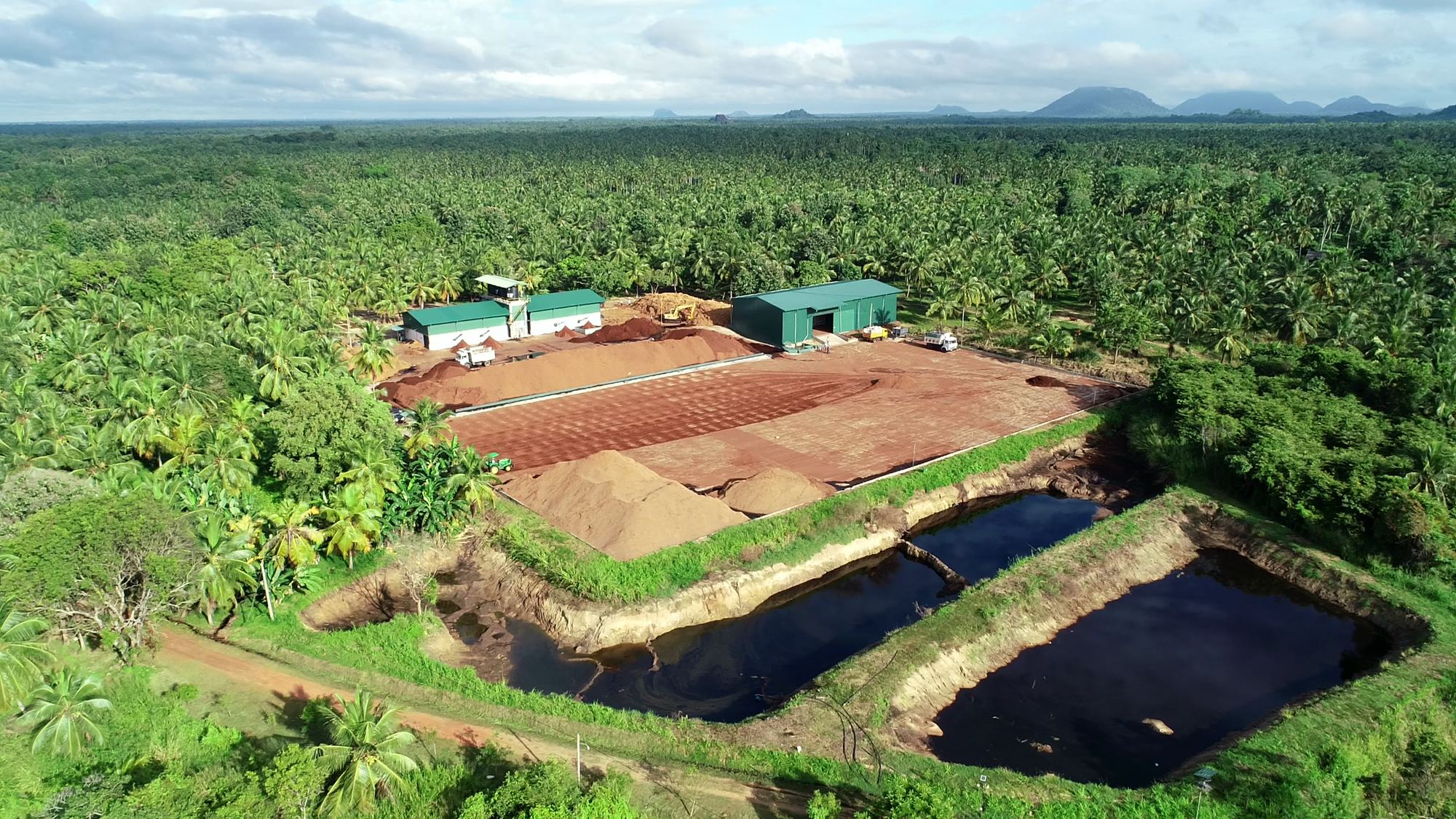
Sri Lankan coir · For growers who care about every root
Rooted in Sri Lanka.
Grown the world over.
Premium coco peat substrates — grow bags, blocks, cubes, disks and mats — washed, buffered and pressed on the island, then shipped to growers across the United Kingdom and Europe.
7
Product formats
5 : 1
Compression for freight
< 0.5
mS/cm EC, buffered
100%
Natural & renewable
(01) Who we are
Verdanza Global brings the finestcoir from Sri Lanka’s coconut countryto growers who refuse to compromiseon what lies beneath the crop.
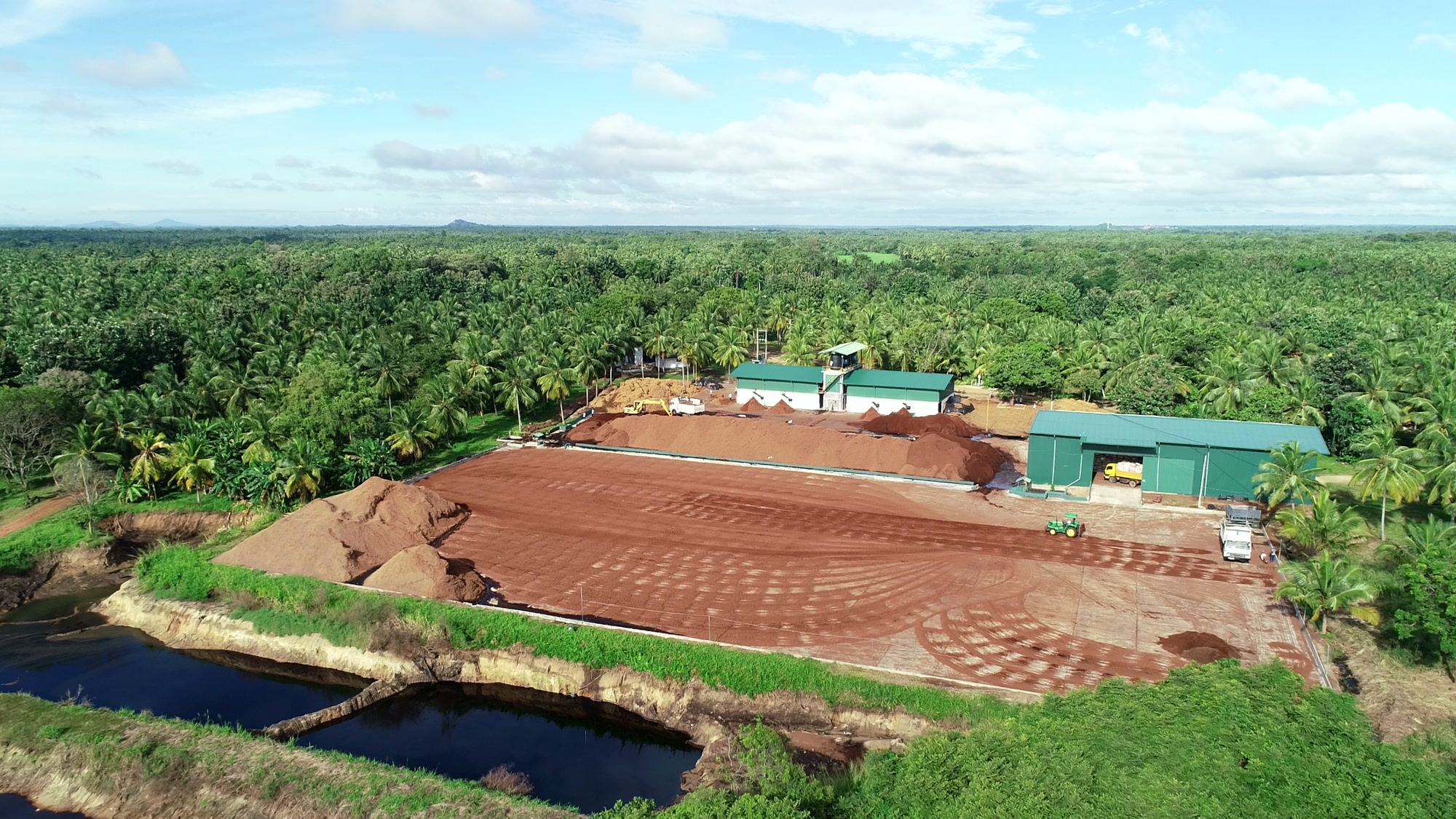
Coir is the fibrous heart of the coconut husk. For centuries Sri Lanka has spun it into rope and woven it into matting. Today, carefully washed and graded, it has become one of the finest growing media a commercial grower can choose — open, moisture-holding and entirely renewable.
We take that material from the island to growers in the United Kingdom, Europe and the Middle East. We blend to your crop, test every batch and ship to your timetable — so the substrate becomes the one thing in your glasshouse you never have to think about.
0
Product formats
~0 L
From one 5 kg block
<0%
Moisture at dispatch
0 regions
UK · Europe · Gulf
Our promise
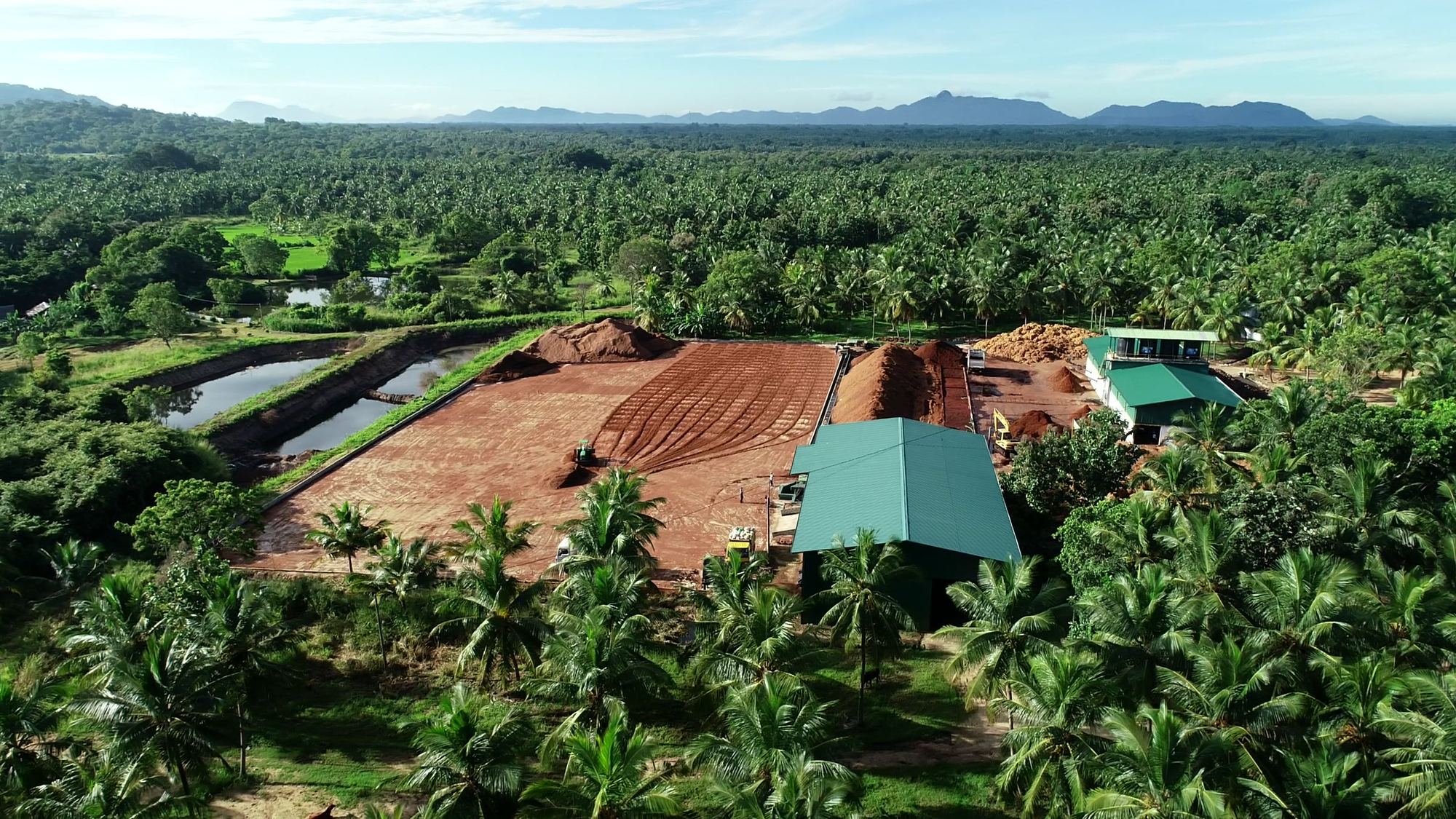
“From Sri Lanka to the world — natural growing media, made with care.”
Growing Sri Lanka · Connecting the world
(02) The range
Seven formats. One uncompromising standard.
Every Verdanza product starts as the same washed, buffered coco peat. What changes is the format — chosen for your crop, your system and the way you work.
Product 01
Grow Bags
Our grow bags are filled with a washed and buffered blend of coco peat and chips, compressed into a UV-stabilised sleeve. Lay them out, hydrate, cut your planting holes and they are ready: a clean, uniform root zone from the first plant to the last.
- Typical size
- 100 × 20 × 15 cm (hydrated)
- Blend
- 100% peat, 70:30, 50:50 or custom peat:chip
- EC
- Below 0.5 mS/cm (washed & buffered)
(03) From husk to harvest
Five careful steps between the palm and your plants.
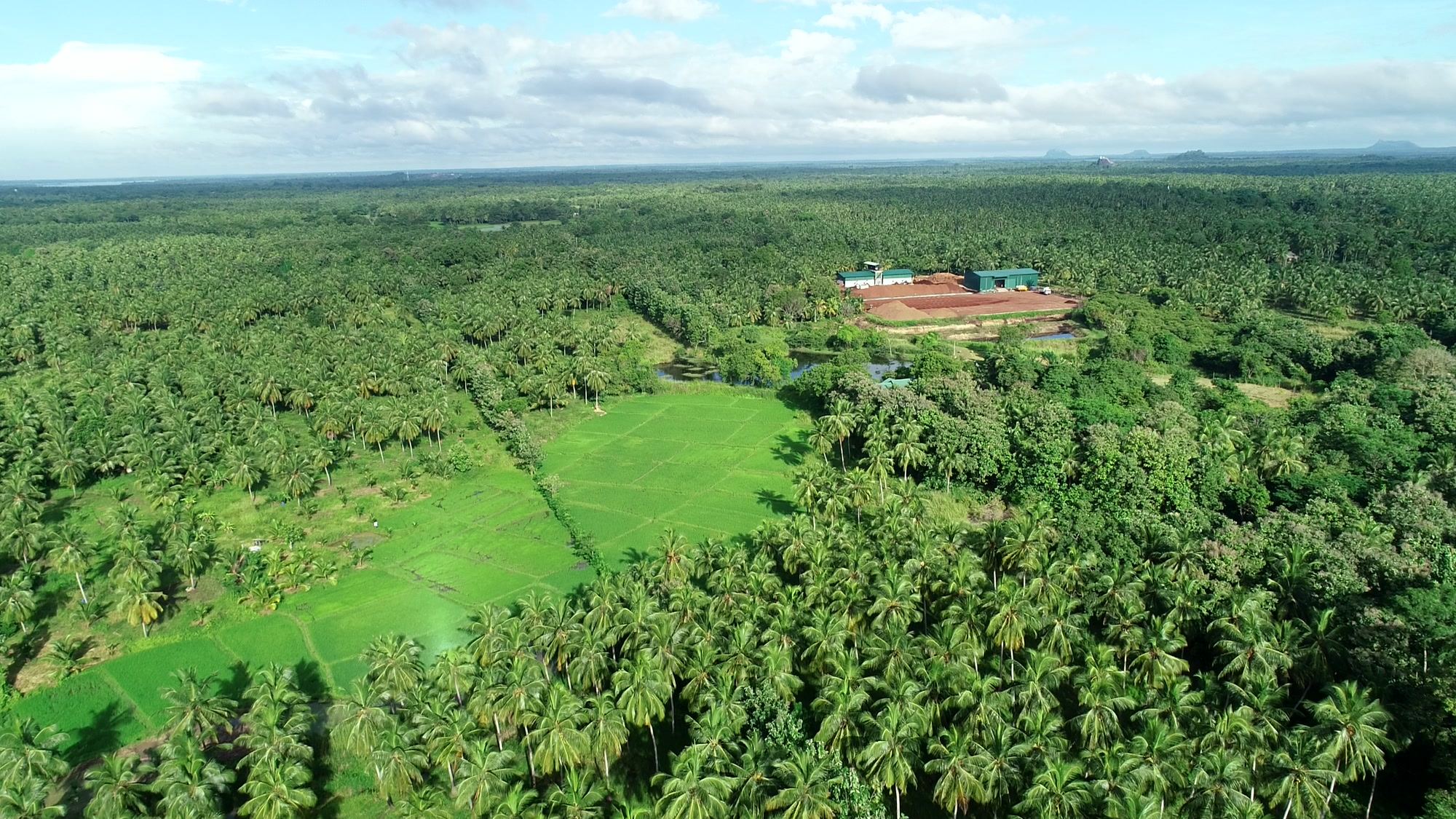 Step 1 of 5
Harvest
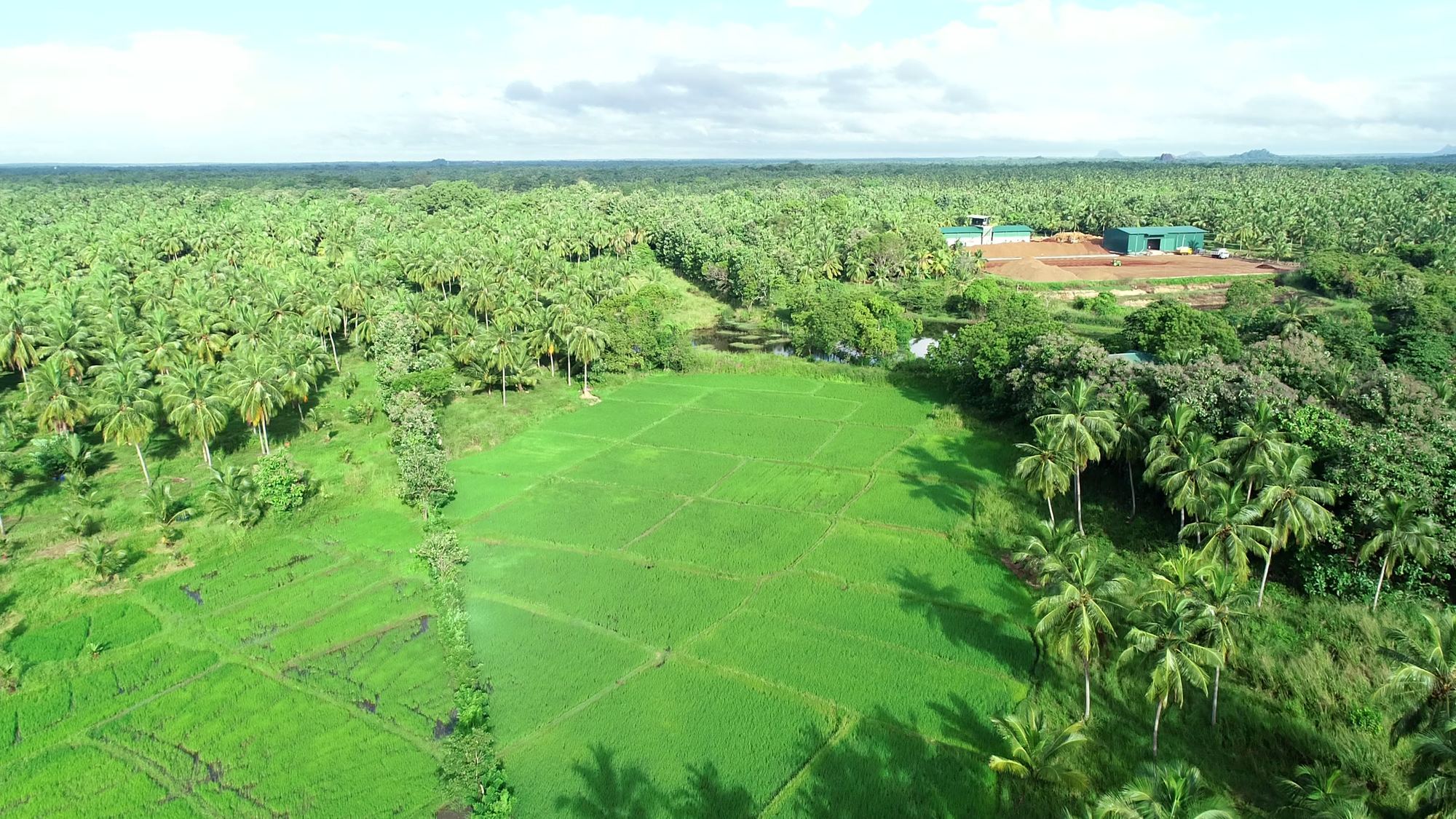
It begins in the coconut estates of Sri Lanka’s lowlands, where palms fruit all year round. Once the nuts are taken for food, the fibrous husk remains — the raw material for everything we make.
A by-product, not a crop grown for the purpose.
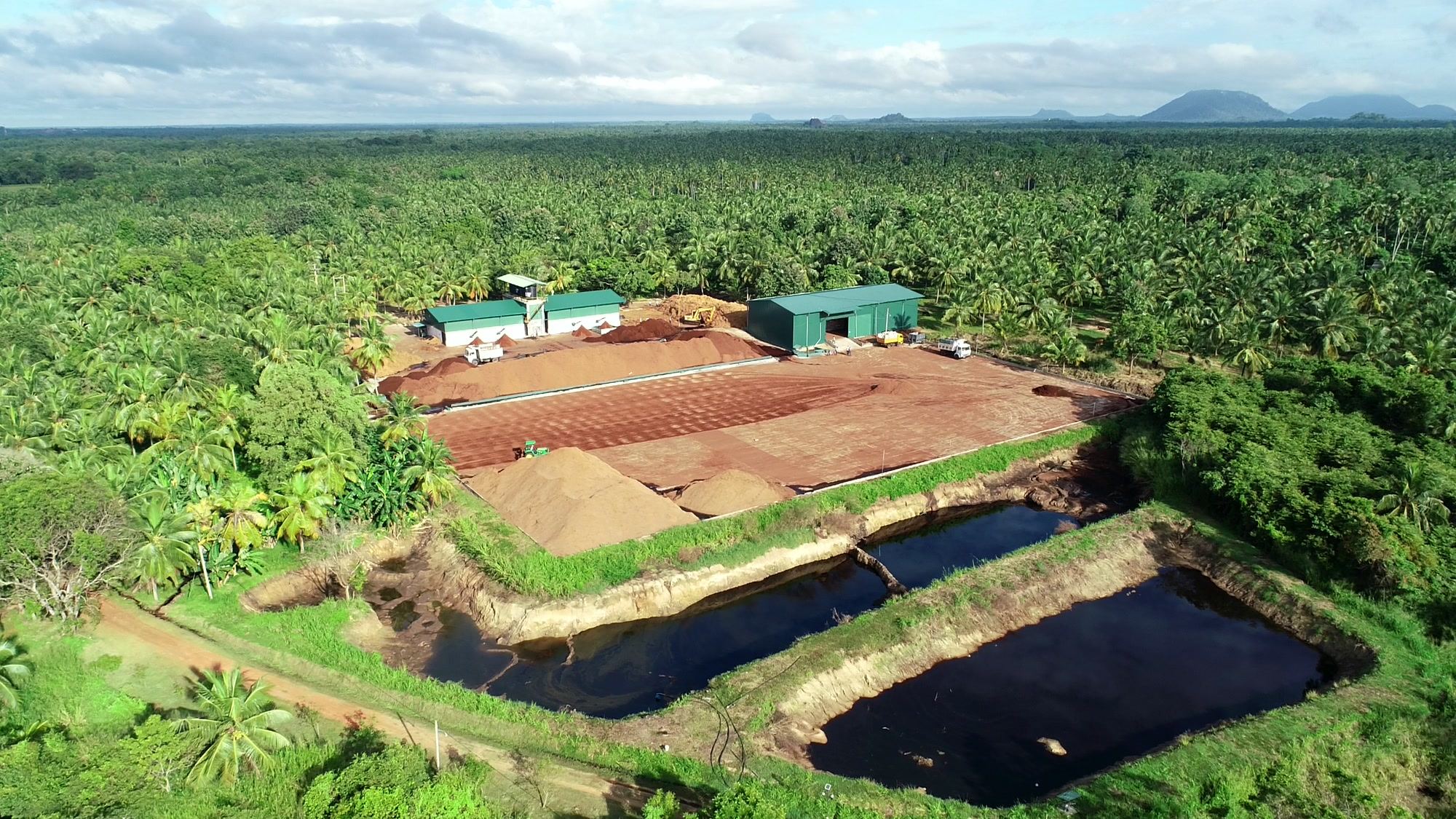 Step 2 of 5
Wash & buffer
Husk naturally carries salts from the coastal soil. We wash the peat in fresh water to bring the EC down, then buffer it so calcium and magnesium stay available to your plants instead of being locked away.
Target EC below 0.5 mS/cm for buffered grades.
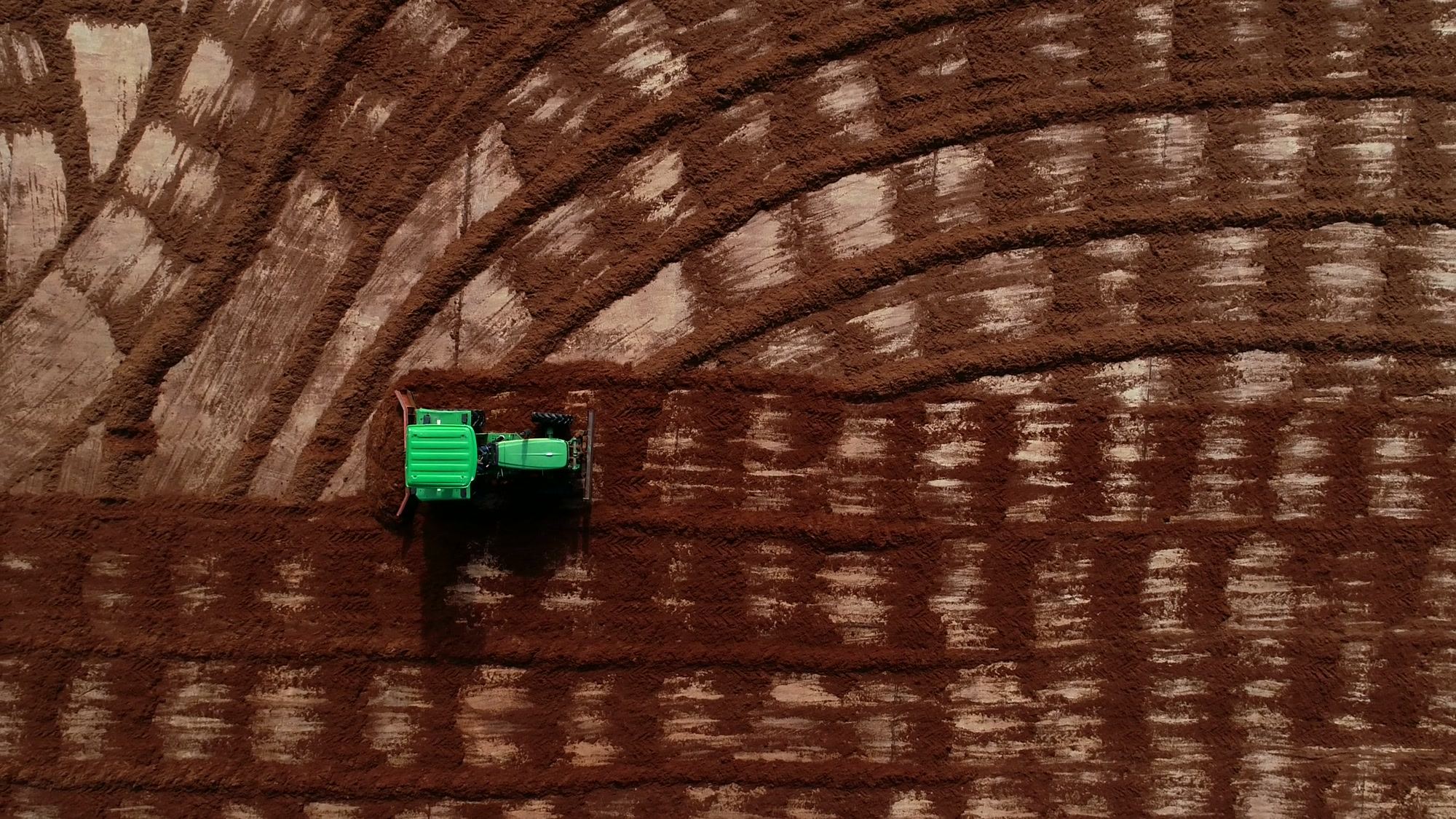 Step 3 of 5
Age & screen
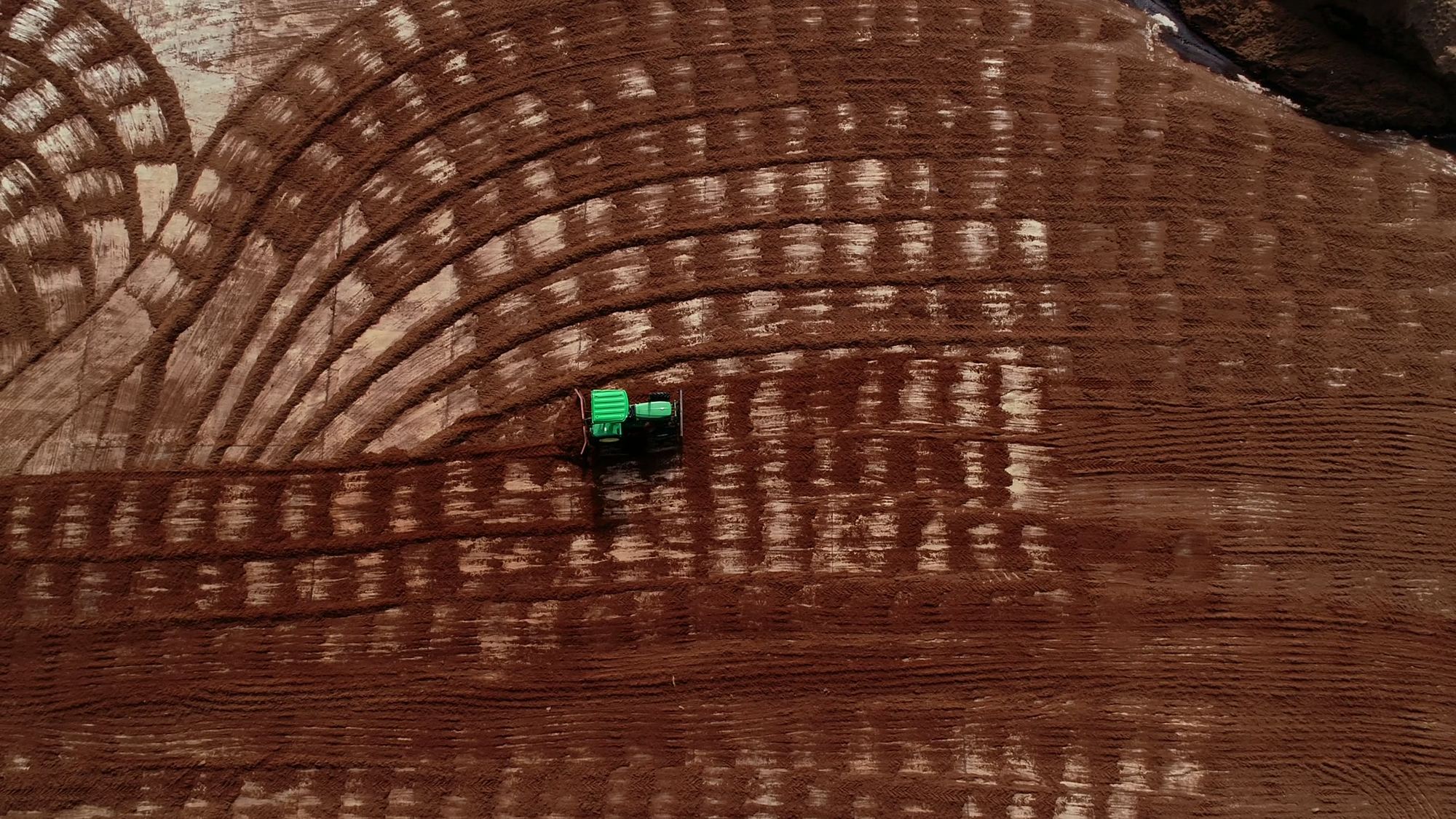
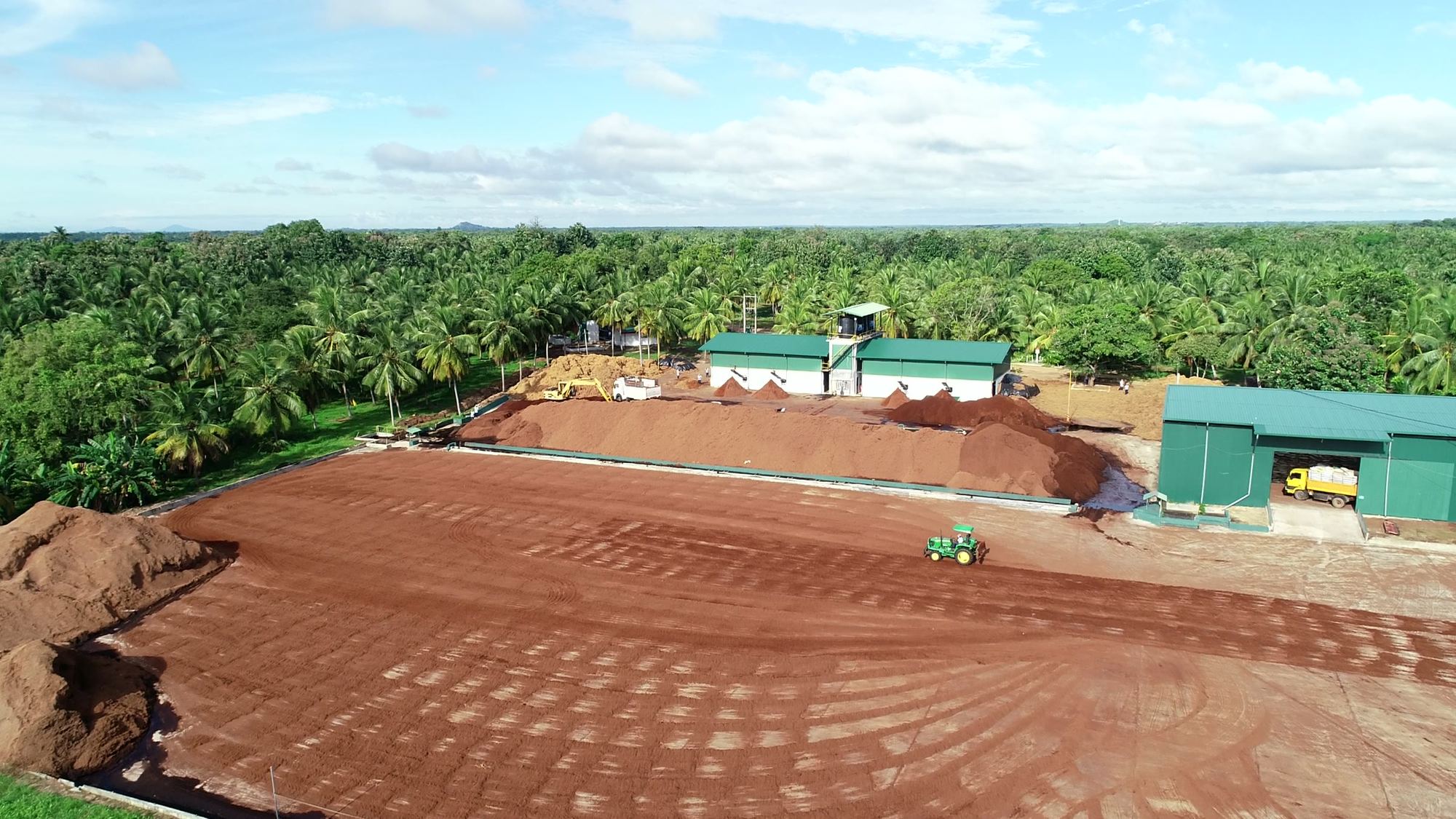
The washed peat is spread across open drying fields and turned by machine. Time in the sun stabilises it; screening then separates fine peat, chips and fibre so each blend is built from the right fraction.
Fine, medium and coarse grades to order.
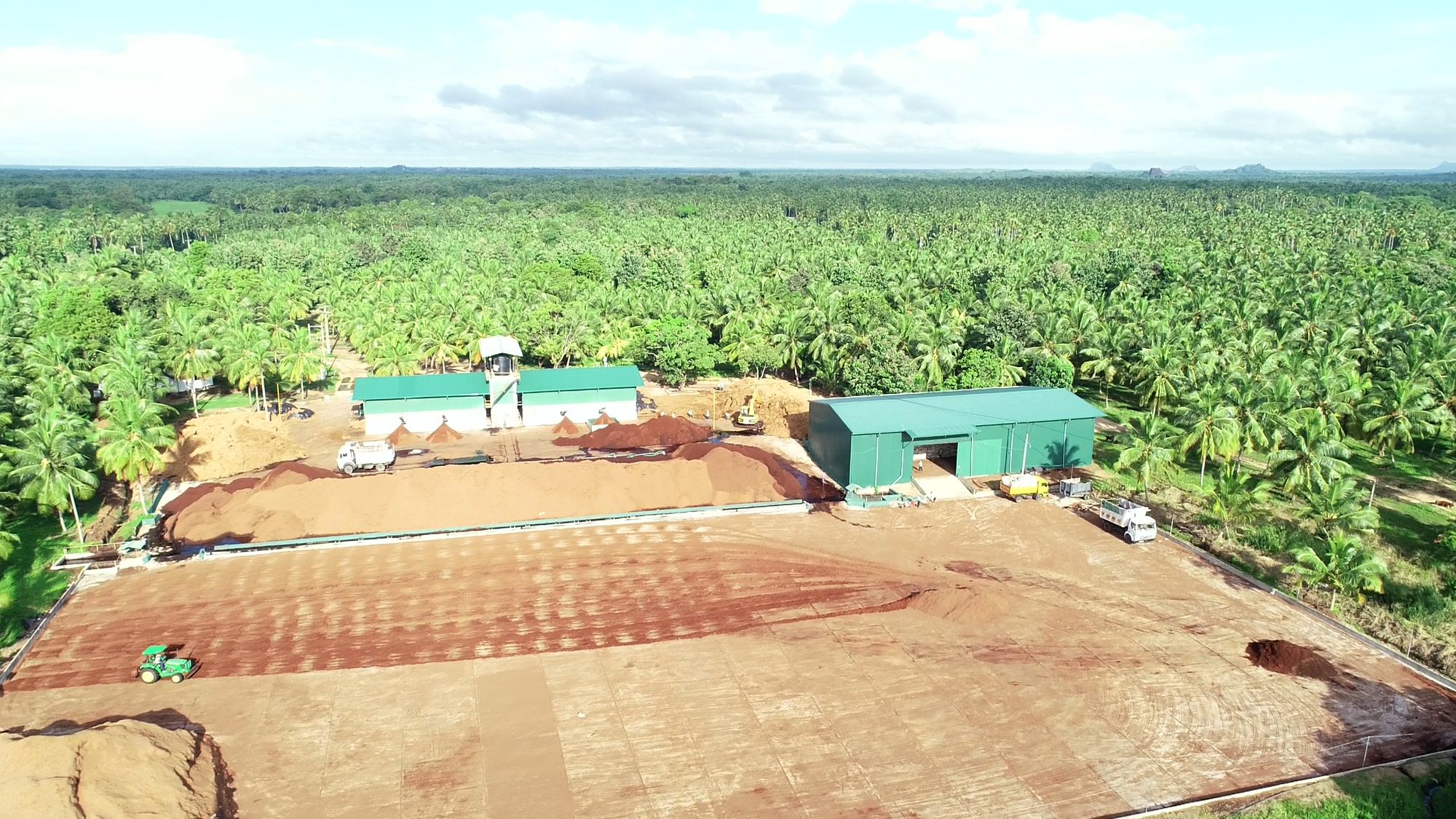 Step 4 of 5
Dry & press
Once moisture falls to the right level, the material is pressed: into 5 kg blocks, into slabs for grow bags, into cubes and disks. Compression to roughly a fifth of its volume makes long-distance freight efficient.
Moisture below 20% at dispatch.
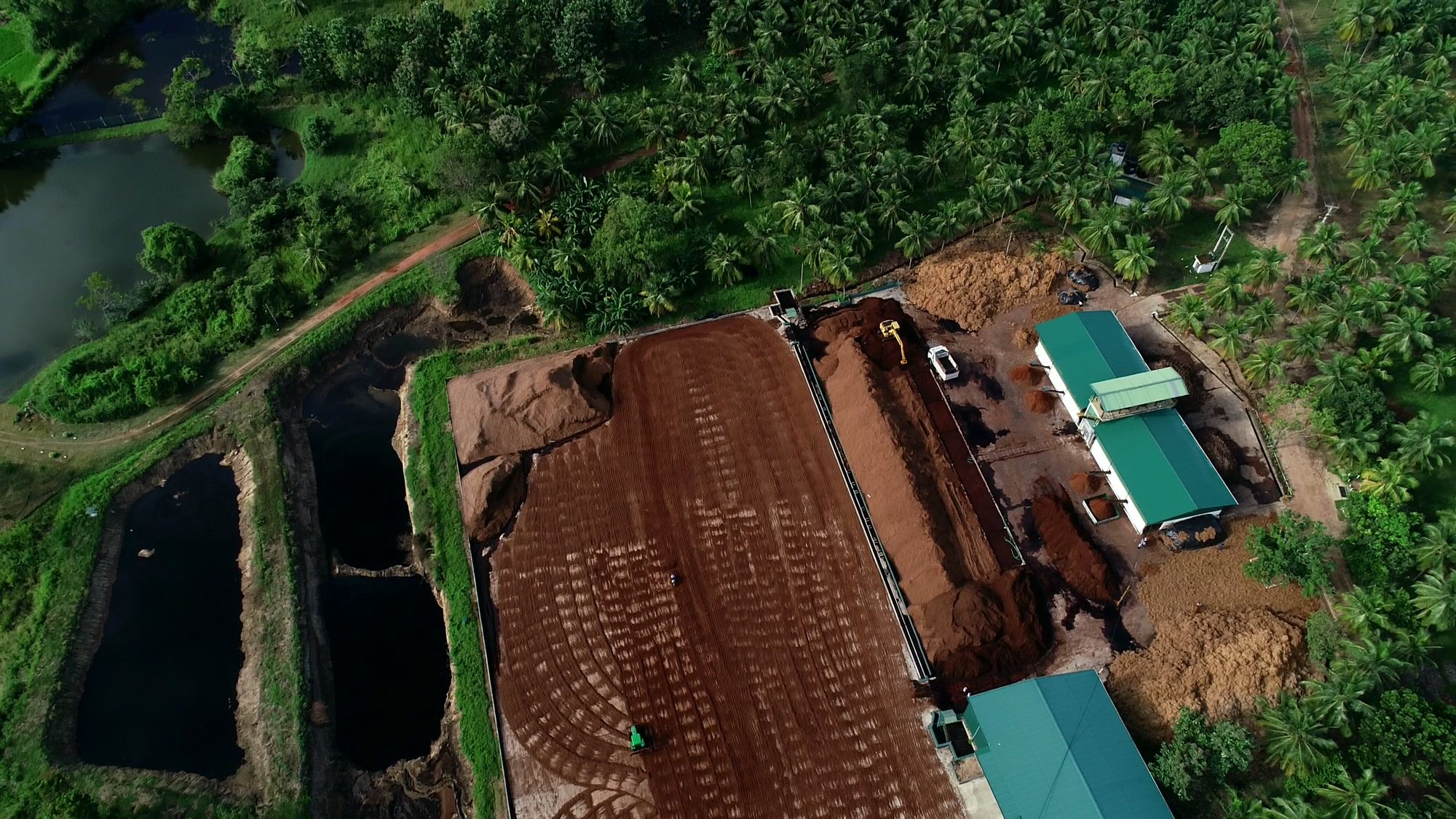 Step 5 of 5
Ship
Finished goods are palletised, documented and loaded at Colombo, one of the best-connected ports in South Asia, for the voyage to the United Kingdom and Europe — timed to arrive before your planting begins.
20 ft and 40 ft containers, full or mixed loads.
(04) Why Verdanza
Grown with care, shipped with certainty.
Plenty of people can sell you coir. What matters is whether the hundredth pallet behaves like the first, and whether it arrives when you need it.
Natural products
Pure coconut husk and nothing else. A renewable by-product of Sri Lanka’s coconut harvest, turned into a growing medium that returns to the soil.
Reliable exports
Containers planned around your season, documented properly and tracked from our yard to your door.
Consistent quality
Washed, buffered and tested for EC and pH batch by batch, so the hundredth pallet grows like the first.
Trusted partnership
One named contact who knows your crop, your volumes and your timetable — and who answers the phone.
Have a crop in mind? Ask for a specification.
Talk to us(05) For British growers
Peat-free, and better for it.
As the UK moves away from peat, coir has become its natural successor — for soft-fruit growers, glasshouse vegetables, nurseries and retail ranges alike. Here is how the two compare where it matters.
(06) Applications
Wherever roots need air, water and room.
From commercial glasshouses to the garden-centre shelf, our formats are made to fit the way each kind of grower works.
Soft fruit
Strawberries, raspberries and blueberries on table-tops, gutters and in pots.
Grow bags · Coco blocks
Glasshouse vegetables
Tomatoes, cucumbers and peppers in slab systems with drip irrigation.
Grow bags · Propagation cubes
Nursery & propagation
Seedlings, cuttings and young plants raised to transplant without a check.
Cubes · Disks
Ornamentals & cut flowers
Container mixes with the air and water balance flowers need.
Coco blocks · Quick fill bags
Landscaping & orchards
Natural weed control around young trees, vines and planting schemes.
Weed mats
Retail & garden centres
Clean, compact packs under your own label, ready for the shelf.
Compressed bags · Disks
(07) Quality, batch by batch
Checked at every stage, not just at the end.
- 01
Raw material
Husk sourced from established estates and graded before processing begins.
- 02
Washing & EC
Electrical conductivity checked during washing until it reaches the target for your grade.
- 03
Buffering
Calcium-based buffering so nutrients stay available to the crop.
- 04
Moisture
Dried and checked before pressing, so blocks hold their shape and expand evenly.
- 05
Before loading
A final inspection of every consignment, with the export documents your import requires.
(08) Colombo to your door
Planned backwards from your planting date.
Tell us when the goods must be on site and we work back from there — production, drying, pressing, loading and sailing — so coir arrives ready for the season, not after it.
20 & 40 ft
Full container loads, or mixed products in one container
All main ports
Felixstowe, Southampton, London Gateway and beyond
Paperwork done
Export and phytosanitary documents prepared for your import
One contact
Updates from order to arrival, from a person who knows your load
(09) Questions
Good questions, straight answers.
Something we have not covered? Write to us at info@verdanzaglobal.com.
How does coir compare with peat?
Coir holds water as well as peat while keeping more air around the roots, re-wets easily when it dries out, and is naturally close to the pH most crops prefer. It is renewable, which makes it the obvious choice as UK horticulture moves away from peat.
What is the difference between washed and buffered coir?
Washing removes the salts coconut husk naturally carries, bringing the EC down. Buffering goes a step further: it treats the coir with calcium so that it does not hold on to the calcium and magnesium in your feed. For sensitive crops and recirculating systems, buffered is the safer choice.
Can you make a blend to our own specification?
Yes — that is how most of our orders begin. Tell us your crop, your growing system and how you irrigate, and we will propose a peat-to-chip ratio, a screening and an EC target, then send samples to trial.
Do you send samples?
Yes. We would much rather you grew on our coir before committing to a container, and we arrange samples for serious enquiries.
How long does shipping to the UK take?
Sailings from Colombo to the main UK container ports typically take around four to six weeks, depending on the route and the port. We plan production and loading backwards from the date you need the goods on site.
Can you supply under our own brand?
Yes. Compressed bags, quick fill bags, disks and grow-bag sleeves can be printed with your branding and your growing instructions.
Samples & specifications
Tell us what you grow.
We’ll make the substrate to suit.
Our export team
Sales & enquiries
- Sri Lanka+94 70 727 3361
- UAE+971 55 227 4886
- Emailinfo@verdanzaglobal.com